Buying guide
The great handover: how to buy what the boomers are letting go.
As baby boomers downsize, decades' worth of furniture, jewellery, clothing, silver and home decor are entering the secondhand market. A lot of it is better made than anything most of us could afford new.
That's not nostalgia talking. A lot of it was built when solid timber was the default, when a wool coat was actually wool, and when people bought fewer things and expected them to last. Now it's leaving big family homes for apartments and retirement villages, and someone has to give it a second life.
This guide is about how to spot the good stuff, what to check before you buy, and how to pay a fair price for it.
Furniture
Good older furniture is solid timber held together by joinery, not staples and glue. Check these before you buy:
- Pull out a drawer. Dovetail joints (interlocking fingers at the corners) mean someone built it properly. Staples or a stapled-on base mean it was built to a price.
- Look at the back and underside. Unfinished solid timber is a good sign. Particleboard or MDF edges are not.
- Lift it. Solid hardwood is heavy. A big sideboard that feels light probably isn't what it looks like.
- Check for a maker's mark. Inside drawers, on the back or under the seat. In Australia, names like Parker, Chiswell, Fler and Tessa have a following, and mid-century pieces in teak or blackwood hold value.
- Separate cosmetic from structural. Scratches, water rings and tired finishes can be fixed. Wobbly joints are usually fixable too. Split timber, borer holes and warped tops are a bigger job.
Skip: upholstered pieces with a musty smell (foam and stuffing are hard to rescue), and anything with active borer (fine fresh dust under small holes).
Jewellery and silver
The marks stamped into metal tell you most of what you need to know, so bring your phone's camera zoom or a cheap jeweller's loupe.
| Mark you see | What it means |
|---|---|
| 925, Sterling, STG | Sterling silver, 92.5% pure |
| A walking lion | British sterling hallmark |
| EPNS, EP, A1 | Silver plate over base metal, worth much less |
| 9ct / 375 | 9 carat gold, the most common Australian gold |
| 18ct / 750 | 18 carat gold |
| GF, RGP, GP | Gold filled or plated, not solid gold |
- Plate isn't a dud. A good plated tea set can still be lovely to use. Just pay plate prices for it.
- Check clasps, settings and chains. Loose stones and worn prongs are common and cost money to fix.
- Costume jewellery from the 50s to 80s can be well made and very wearable. Signed pieces (look for a name on the clasp or back) are worth more.
- For anything expensive, ask whether there's a valuation or receipt, or get it checked by a jeweller before you hand over serious money.
Clothing
Older clothes were often made from better fabric and sewn to last. Read the label first, then turn it inside out.
- Fabric. 100% wool, cashmere, silk, linen and heavy cotton age well. Lots of polyester in a "wool" coat is a sign it was made cheap.
- Seams. Wide seam allowances mean it can be altered. Pattern lines that match at the seams mean someone took care.
- Linings and buttons. A full lining, real horn or metal buttons and a spare button sewn inside are all signs of quality.
- Labels. "Made in Australia", "Made in England" or "Made in Italy" on an older garment usually means local tailoring, not a factory chasing the lowest cost.
- Condition. Hold it up to light for moth holes, check armpits and collars for stains, and sniff it. Mothball smell airs out. Mildew often doesn't.
Vintage sizing runs small, so go by measurements, not the number on the tag.
Home decor
The smaller pieces are where you find the most character for the least money.
- Ceramics and china. Flip it over for a backstamp. Run a finger around the rim for chips and hold it to light for hairline cracks. Australian studio pottery and names like Wedgwood, Royal Doulton and Noritake are worth a look.
- Glass and crystal. Real lead crystal rings when you flick it gently and feels heavy. Check for chips on rims and cloudiness that won't wash off.
- Linen. Old tablecloths, napkins and sheets in pure linen or cotton get softer with age. Yellowing often washes out. Holes don't.
- Lighting. Vintage lamps look great but check the cord and plug. Old wiring should be checked by an electrician before you use it.
- Art and frames. Even if the art isn't your thing, a solid timber frame is worth more than a new one.
How to shop it
Know what you want before you look. Measure your space and write down sizes. A beautiful dresser that doesn't fit the room isn't a bargain.
Ask for more photos. Drawers out, the back, the underside, any marks or labels. A seller with good stuff is usually happy to show it.
Ask the story. How long they've had it, where it came from, whether it's been repaired. Downsizers often know exactly where and when they bought something.
Inspect in person for anything big or valuable. Open, lift, sit, wiggle. Bring a torch and a tape measure.
Check prices on similar sold items so you know what fair looks like. Older solid pieces are often priced low because they're out of fashion, not because they're worse.
Plan the pickup. Big pieces from family homes can mean stairs and tight hallways. Sort out help and transport before you agree to buy.
Be kind. For a lot of sellers, this is their parents' home or their own of 40 years. A bit of interest in the story goes a long way.
Find it on Toka
Toka is where this stuff changes hands. Tell Toka what you're after, like a solid timber dining table under $500 or a vintage wool coat in size 10, and it does the searching for you. Sellers clearing out a home can list in minutes, so the good pieces go to people who'll use them instead of landfill.
On Toka right now
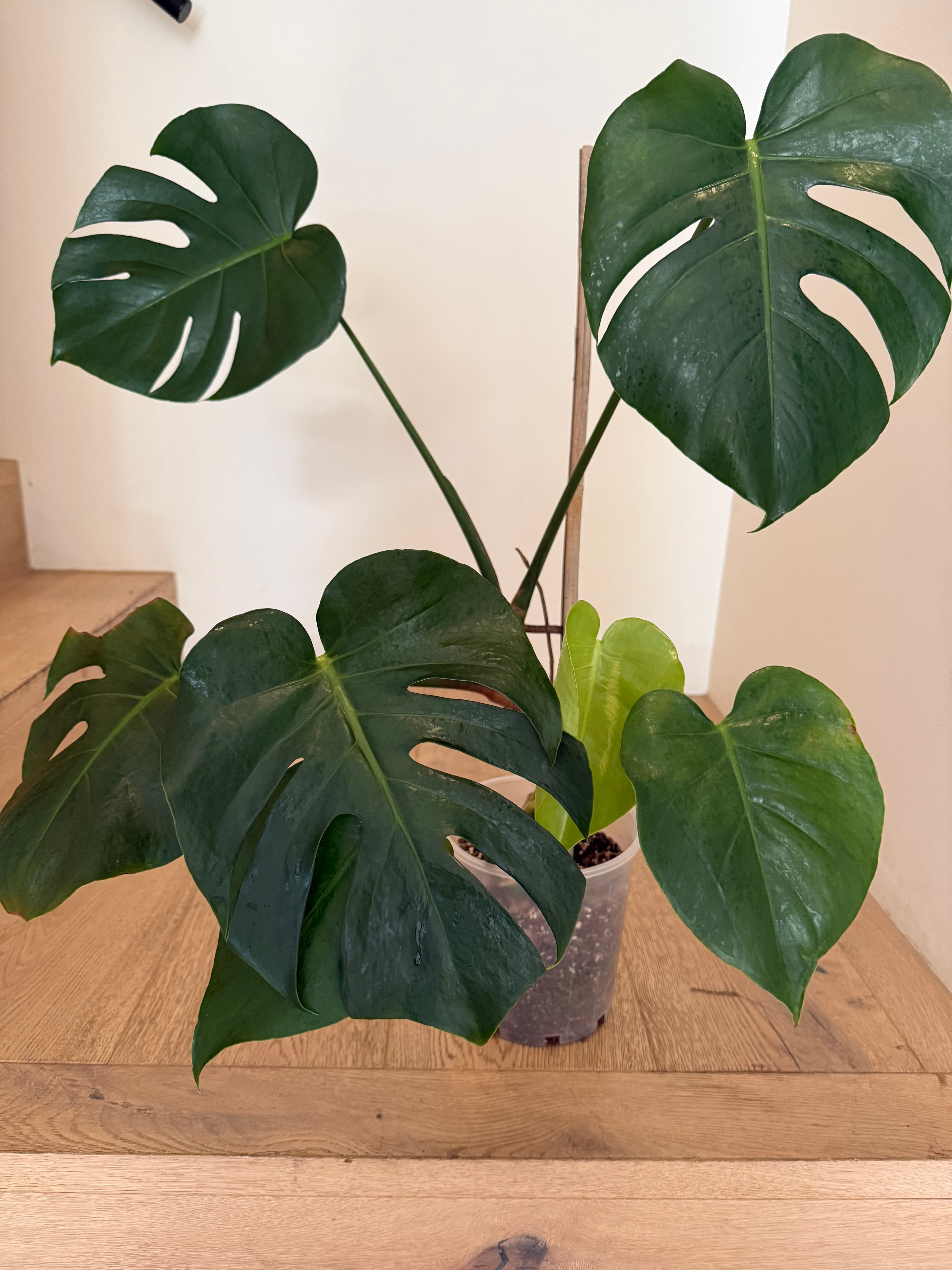 Green Monstera Houseplant$24.06
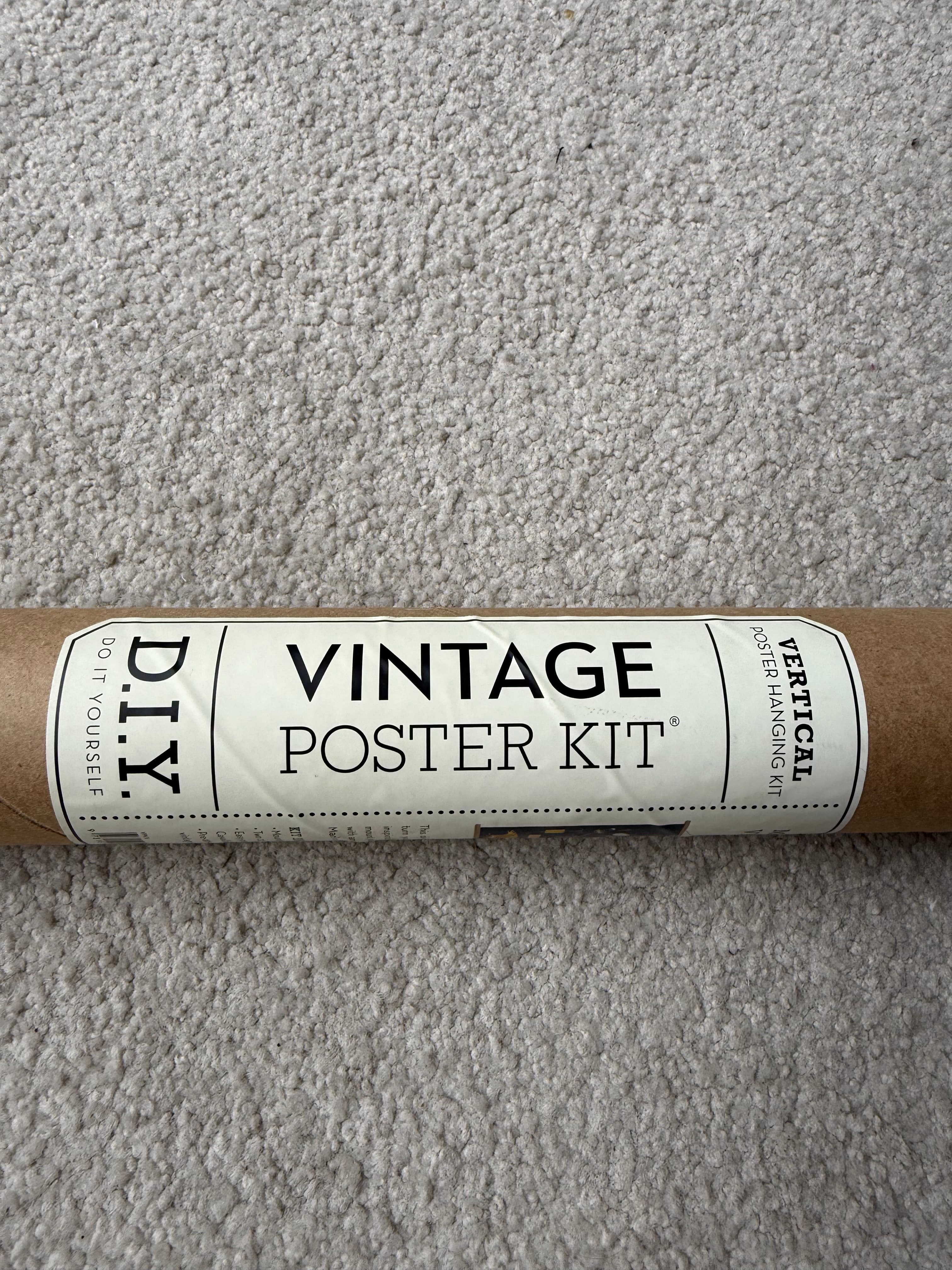 Beige Poster Hanging Kit$3.82
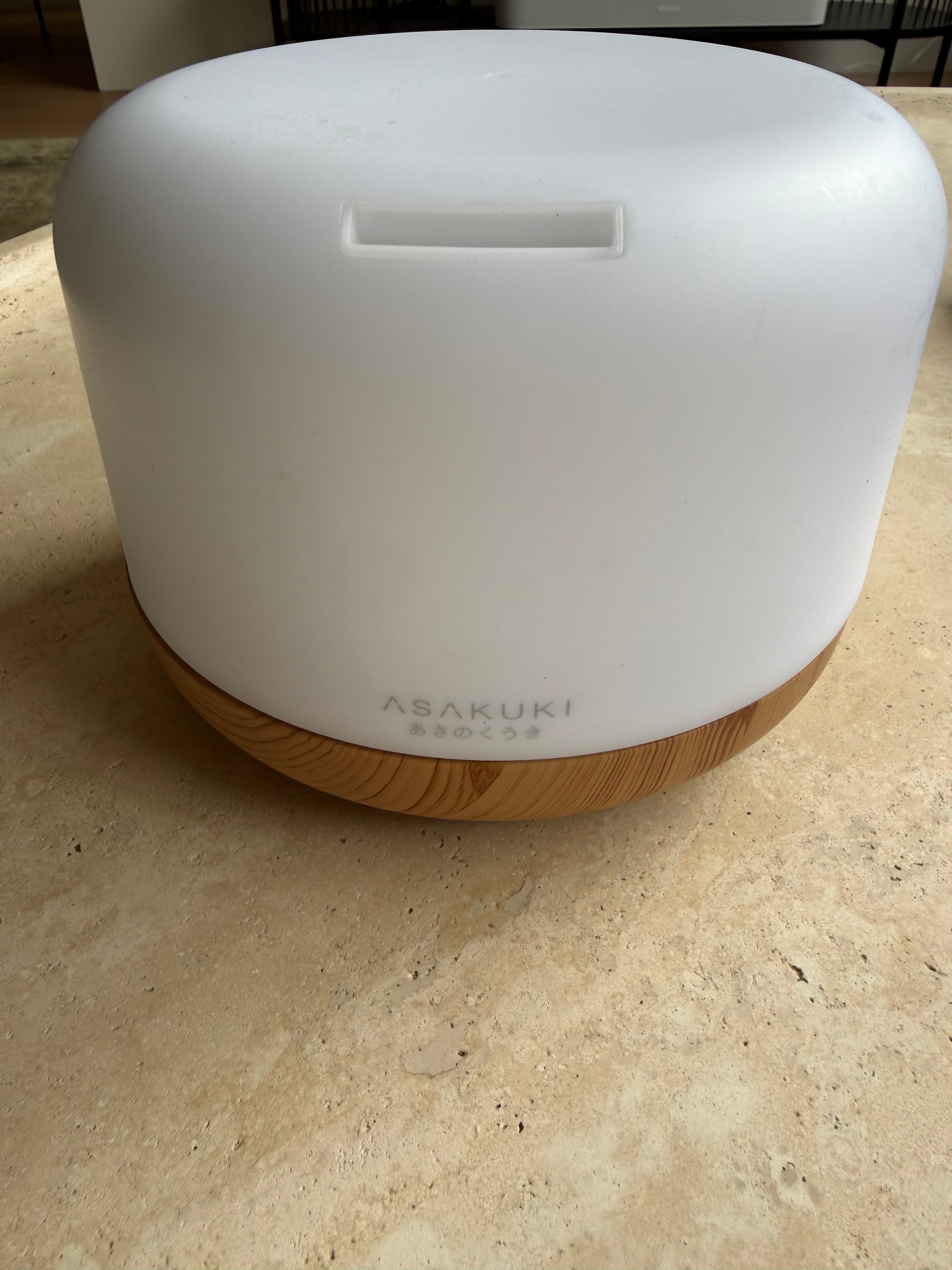 White Asakuki Essential Oil Diffuser$5.66
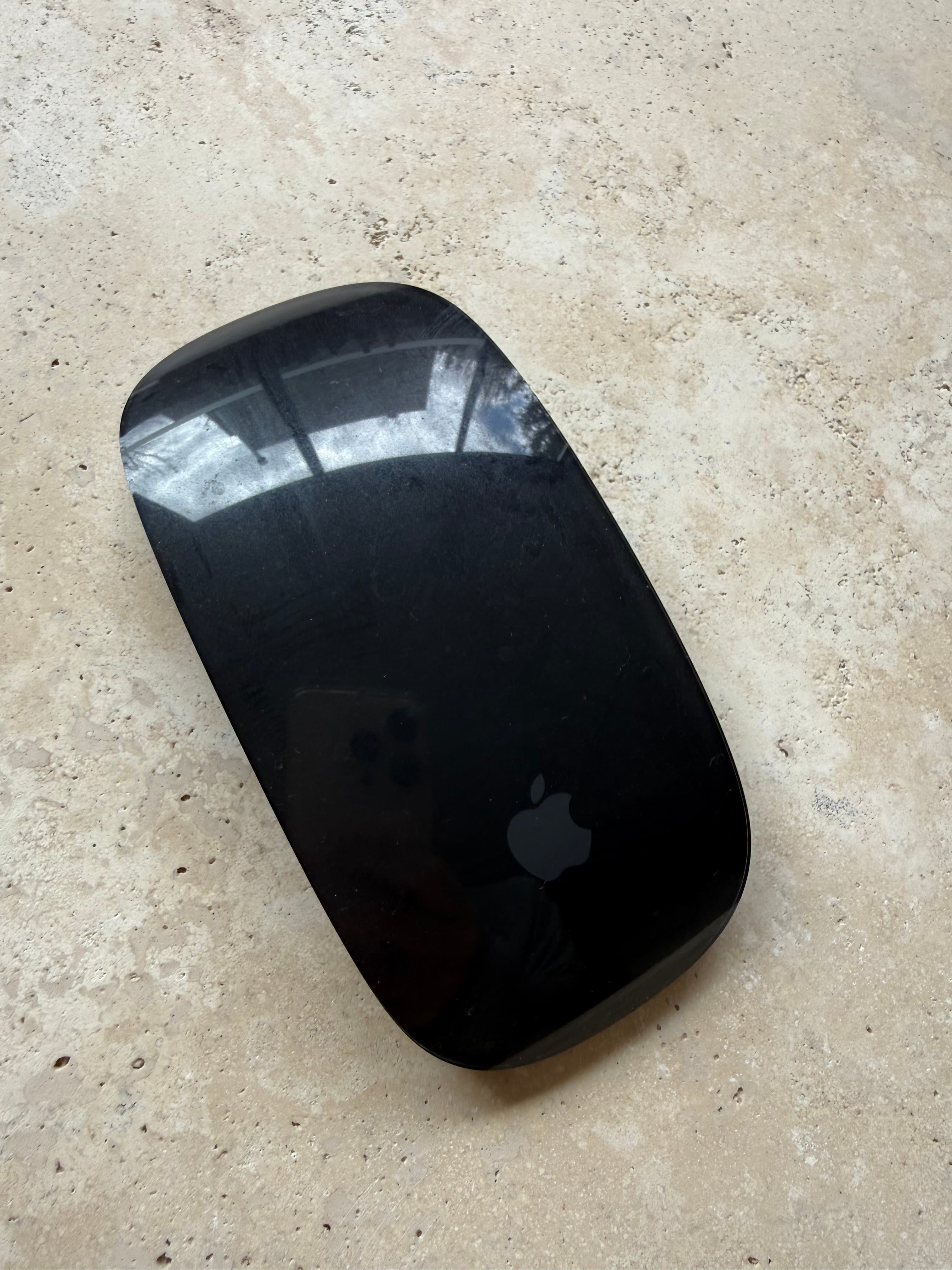 Black Apple Magic Mouse$24.06
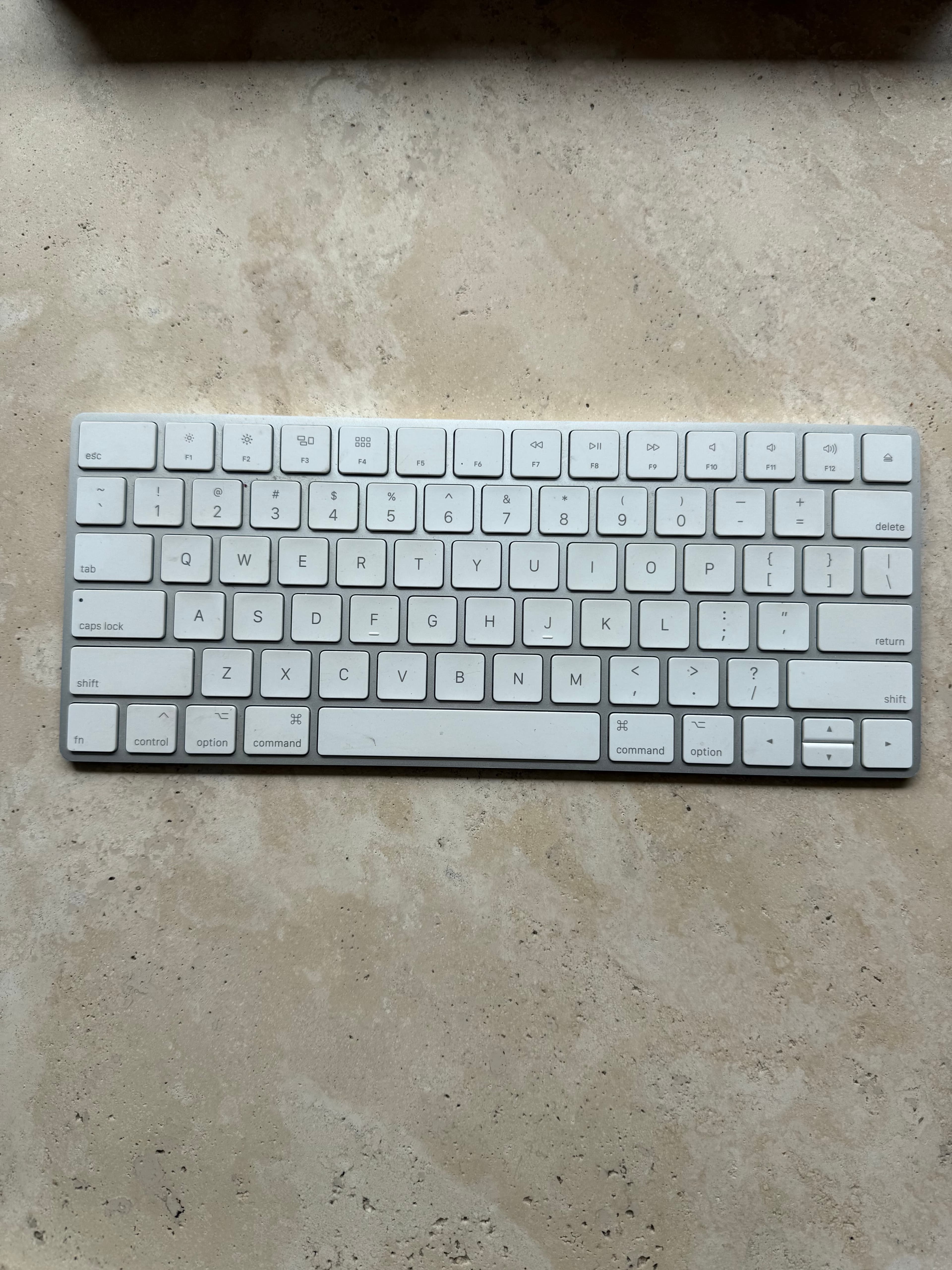 Silver Apple Magic Keyboard$24.06
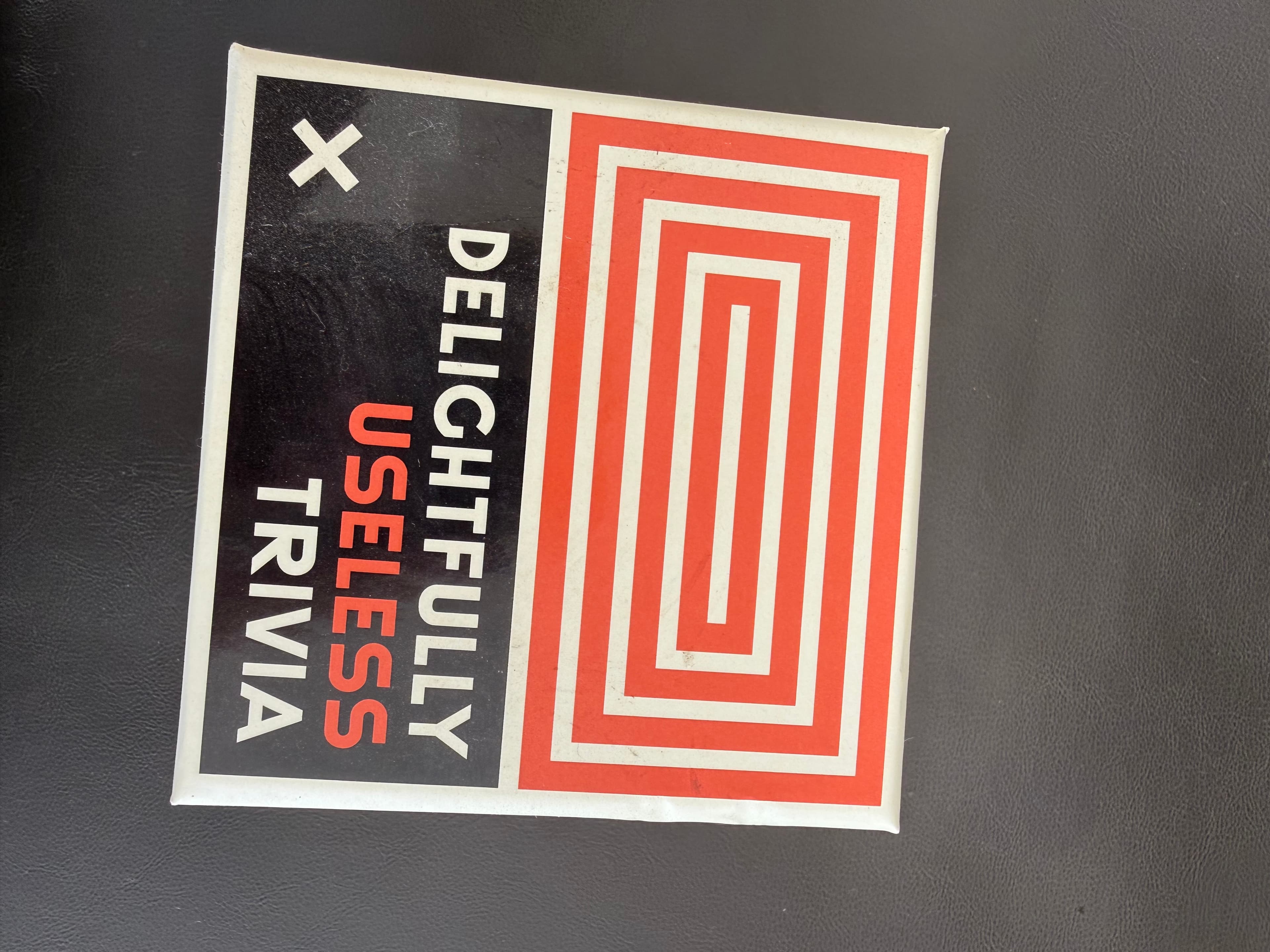 Black Trivia Card Game$3.82
 Black LEGO Architecture London Set$8.72
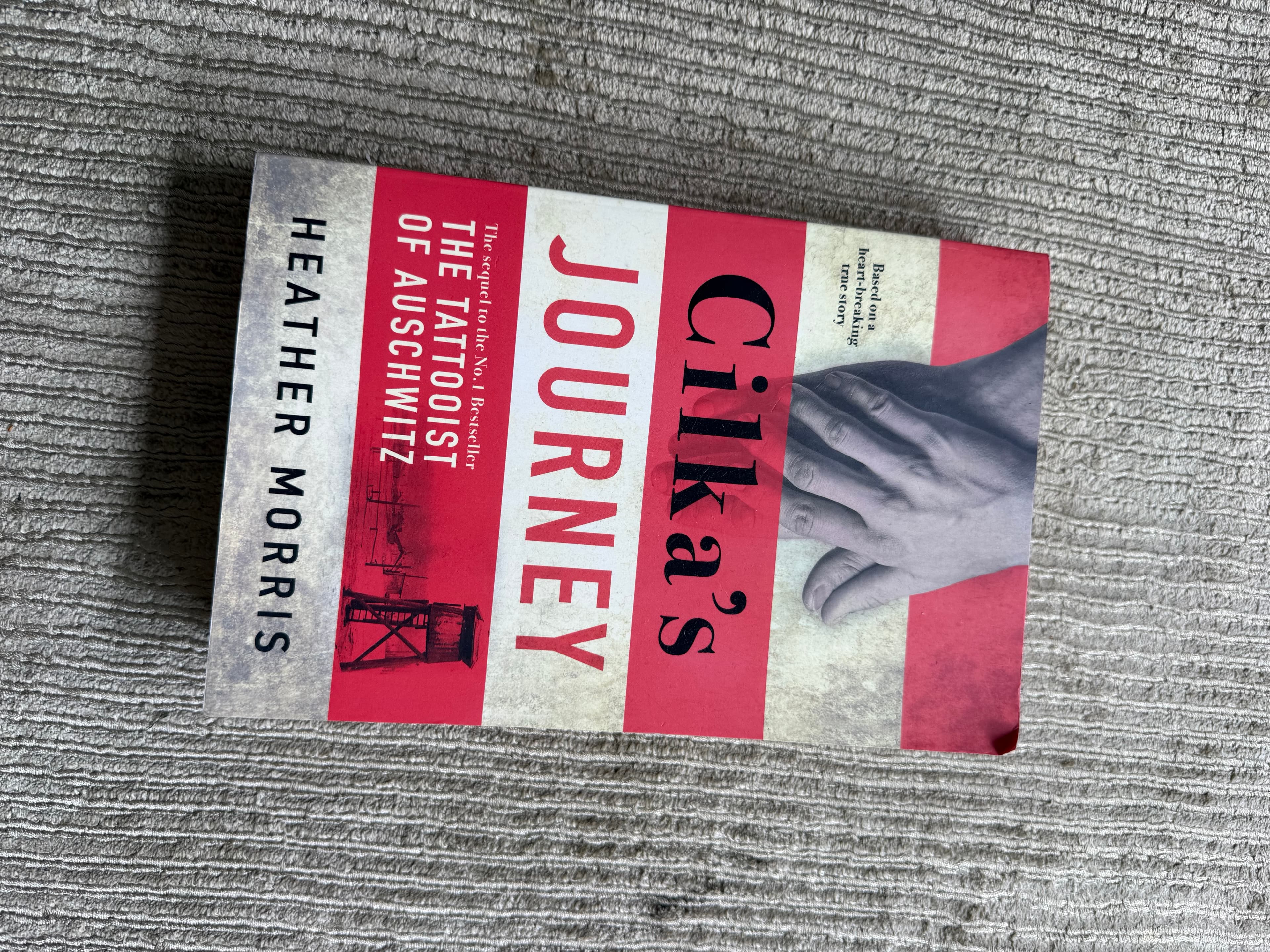 Cilka's Journey Paperback Book$4.12
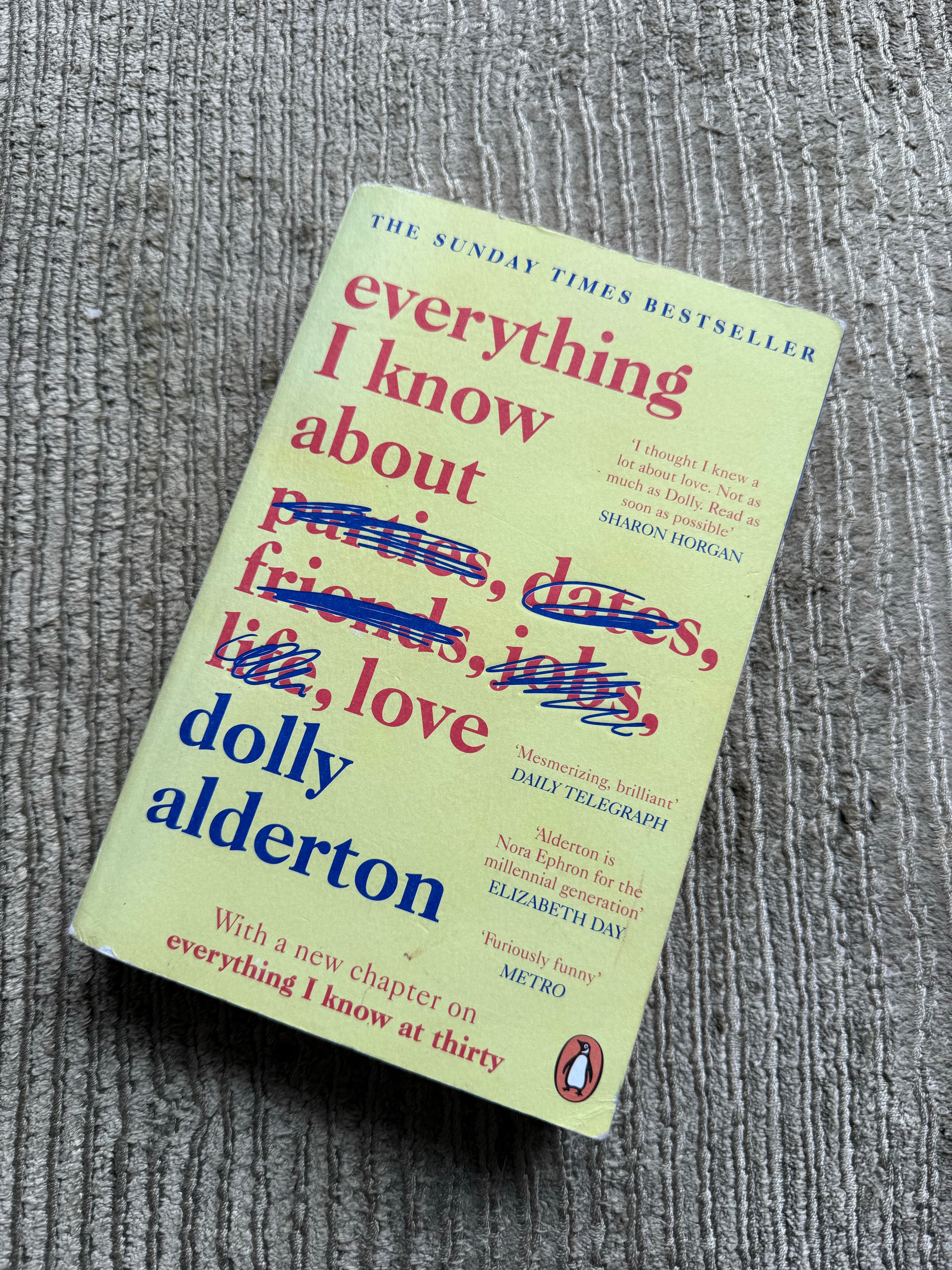 Everything I Know About Love by Dolly Alderton$4.63
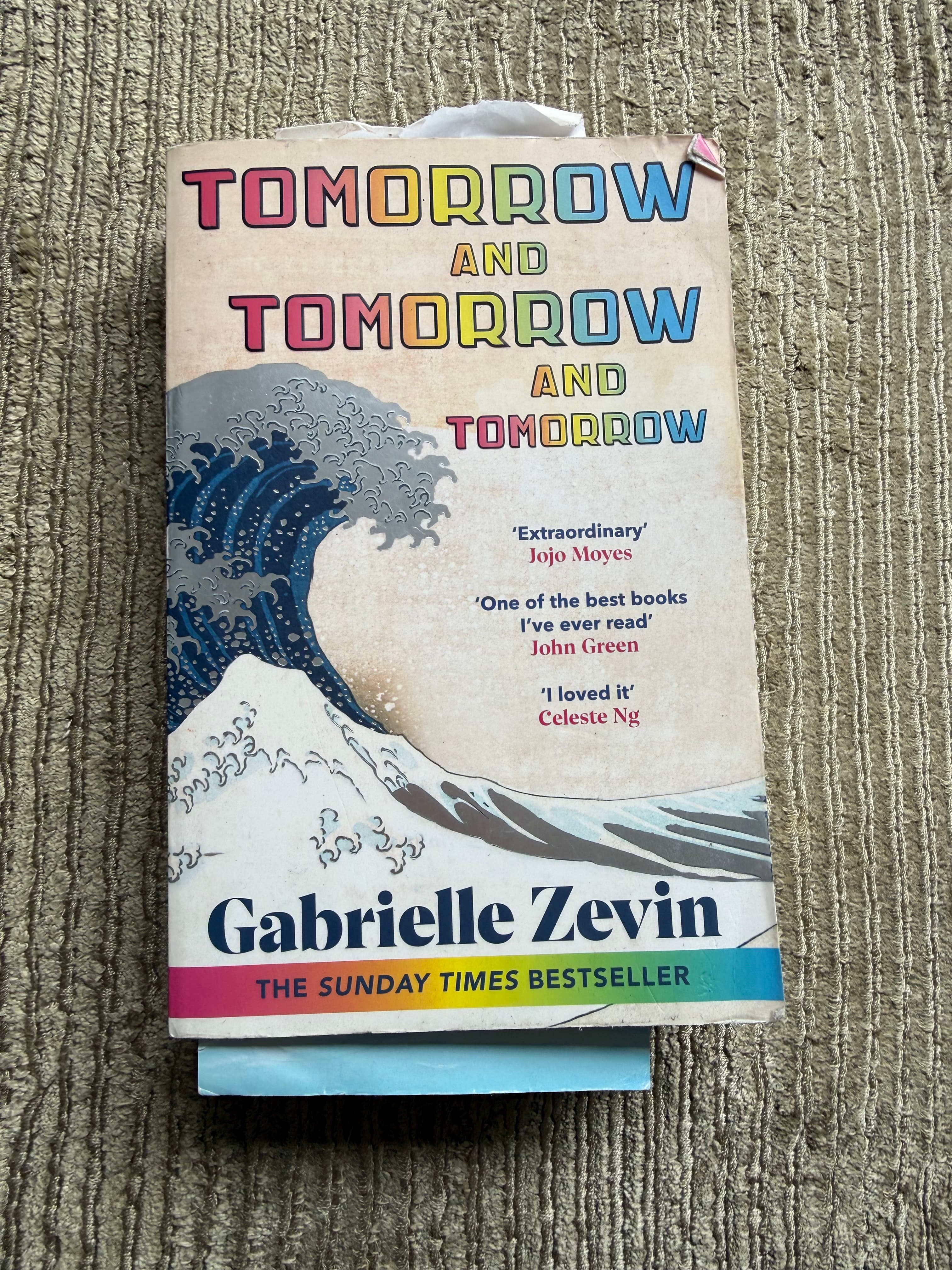 Cream Book$5.66
Buy what's built to last,
look after it, and pass it on when you're done.

Scan to downloadPoint your phone camera
at the code